


Lymphoedema
What Is Lymphoedema?
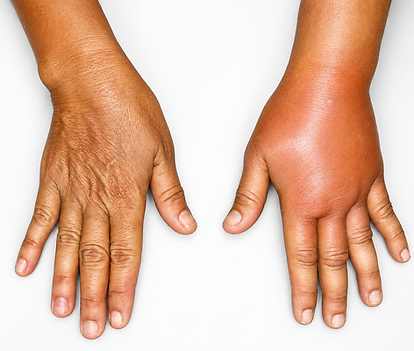
Lymphoedema is a chronic condition that occurs when the lymphatic system is unable to adequately drain lymph fluid from the body's tissues. This results in an accumulation of fluid and swelling, most commonly affecting an arm or leg, although other areas of the body can also be affected.
Lymphoedema may develop when lymph nodes or lymphatic vessels are damaged or disrupted following surgery, cancer treatment, radiation therapy, infection, trauma or injury.
It can also occur because of an underlying abnormality in the development or function of the lymphatic system, known as primary lymphoedema.
What Are the Symptoms of Lymphoedema?
Lymphoedema can develop gradually, and early symptoms may be subtle.
Common signs and symptoms include:
-
Swelling of an arm, leg or other part of the body
-
A feeling of heaviness or fullness
-
Tightness or stiffness
-
Aching or discomfort
-
Reduced flexibility or range of movement
-
Clothing, shoes, watches or jewellery feeling tighter
-
Changes in skin or tissue texture
-
Recurrent skin infections such as cellulitis
Symptoms can vary considerably between individuals.
Recognising changes early and seeking professional assessment can help with effective long-term management.
What Causes Lymphoedema?
There are two main categories of lymphoedema: primary and secondary lymphoedema.
Primary Lymphoedema
Primary lymphoedema occurs due to abnormalities in the development or function of the lymphatic system. It may be present from birth or develop later in life.
Secondary Lymphoedema
Secondary lymphoedema occurs when a previously functioning lymphatic system becomes damaged or compromised.
Possible causes and risk factors include:
-
Cancer-related surgery involving lymph nodes
-
Radiation therapy
-
Trauma or injury
-
Infection
-
Reduced mobility
-
Obesity
-
Damage or obstruction to lymphatic vessels
Cancer-Related Lymphoedema
Lymphoedema is particularly associated with some types of cancer treatment, especially when lymph nodes are removed or treated with radiation.
For example, lymphoedema may develop in the arm following breast cancer treatment or in the lower limb following treatment involving lymph nodes in the pelvis or groin.
It may appear shortly after treatment or months or even years later.
People who have undergone cancer treatment should therefore be aware of early changes such as swelling, heaviness, tightness or changes in how clothing or jewellery fits.
Early Warning Signs of Lymphoedema
Early lymphoedema may not always involve obvious swelling.
You may initially notice:
-
Heaviness or fullness in the affected limb
-
Tight or stiff skin
-
Mild swelling that comes and goes
-
Reduced movement or flexibility
-
Aching or unusual discomfort
-
Clothing or jewellery becoming tighter
-
Changes in the way the affected area feels
Swelling may become more noticeable following prolonged inactivity or sustained positions.
If you notice unexplained or persistent swelling, it is important to have it appropriately assessed rather than assuming it is lymphoedema, as swelling can have a number of different causes.

Benefits of Physiotherapy for Lymphoedema
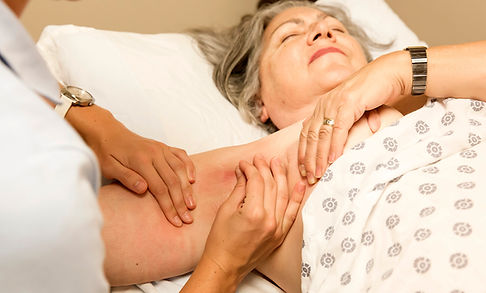
Depending on your condition, physiotherapy management may help to:
-
Manage and reduce swelling
-
Improve mobility and range of movement
-
Reduce feelings of heaviness and tightness
-
Support strength and physical function
-
Improve confidence with exercise and movement
-
Develop effective self-management strategies
-
Maintain improvements over the longer term
Our goal is to help you manage your condition while remaining as active and independent as possible.
When Should I Seek Medical Advice?
Not all swelling is caused by lymphoedema.
New, unexplained, rapidly increasing or painful swelling should be appropriately assessed, particularly if it is associated with redness, warmth, fever, shortness of breath or feeling unwell.
If you have previously been diagnosed with lymphoedema and notice significant changes in your symptoms, contact your healthcare professional for advice.
Book a Lymphoedema Physiotherapy Appointment
If you are experiencing lymphoedema or have been advised to see a physiotherapist for lymphoedema management, our team is here to help.
Our physiotherapists can assess your individual needs and develop a personalised management program focusing on swelling, mobility, exercise and long-term self-management.
Hills Physio Care – Castle Hill
Chatswood Physio Care & Allied Health – Chatswood
Contact us to arrange your lymphoedema physiotherapy assessment.